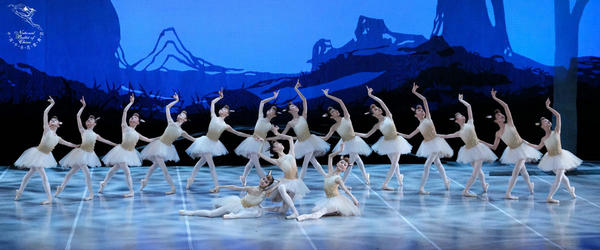
Dance Drama 'Nine-colored Deer'
Introduction
"The Nine-colored Deer" is an original ballet created by the National Ballet of China, first staged in 2018, at the Tianqiao Performing Arts Center in Beijing. This enchanting production, designed as a children's ballet, draws inspiration from a well-known mural painting found in the Mogao Caves of Dunhuang, located along the ancient Silk Road in Northwest China. The ballet combines the cultural richness of the Dunhuang art and the grace of ballet, offering a captivating narrative for younger audiences and families alike.
The Story and Inspiration
The story of "The Nine-colored Deer" revolves around a mythical, multicolored deer that embodies kindness and wisdom. In the ballet, the deer saves a Persian merchant from drowning, and in return, the merchant promises to keep the deer's existence a secret. However, driven by greed, the merchant betrays the deer, leading the king's army to pursue it, all for the sake of a coveted coat made from the deer's fur. The tragic outcome is inevitable when the merchant dies while trying to escape the consequences of his actions. This poignant tale emphasizes the themes of loyalty, betrayal, and the inescapable consequences of dishonesty.
The story's roots lie in ancient Chinese art, specifically the murals of Dunhuang, which feature depictions of the nine-colored deer, a symbol of beauty and grace. These depictions are not only artistic but also deeply tied to the spiritual heritage of China. The ballet presents a modern, artistic interpretation of these ancient symbols, blending folklore with universal lessons.
Features of the Ballet
The National Ballet of China's "The Nine-colored Deer" is notable for its imaginative choreography and use of ballet as a medium for storytelling. Unlike many traditional ballets, which often target adult audiences, this production is specifically designed for children. The choreography includes intricate dance sequences that embody the deer's grace and the merchant's turmoil, utilizing both classical ballet and elements inspired by traditional Chinese movements.
The ballet's visual design is equally impressive, with elaborate costumes and stunning stage settings that evoke the mystical and ethereal world of Dunhuang. The nine-colored deer is depicted through the use of colorful costumes and special effects, while the use of lighting and sets transports the audience to a mythical, dreamlike world. The use of these elements underscores the ballet's dedication to creating a fully immersive experience for young viewers.
Cultural Significance
"The Nine-colored Deer" stands out not only for its artistic achievements but also for its cultural importance. By drawing inspiration from the Dunhuang murals, the ballet celebrates an iconic element of Chinese heritage, while presenting it in a format accessible to modern audiences. The connection between the ballet and Dunhuang serves to highlight the rich history of China's ancient Silk Road, an area known for its cultural and religious exchanges.
The production also plays a role in the National Ballet of China's commitment to fostering a new generation of ballet enthusiasts. The ballet features young performers, allowing children to see their peers in the roles of the characters, which helps to build a connection between the performance and the young audience.
"The Nine-colored Deer" is a significant step in the development of children's ballet in China, offering a unique combination of traditional Chinese culture and Western ballet techniques, and providing an unforgettable artistic experience for both children and adults.








